

But failed quality, generally. The little details and finishing touches that used to whisper quality and care have disappeared.
In their place, ubiquitous boring buttons, plastic zips that break and no seam allowances to help your clothes fit you forever.
Fabric yardage
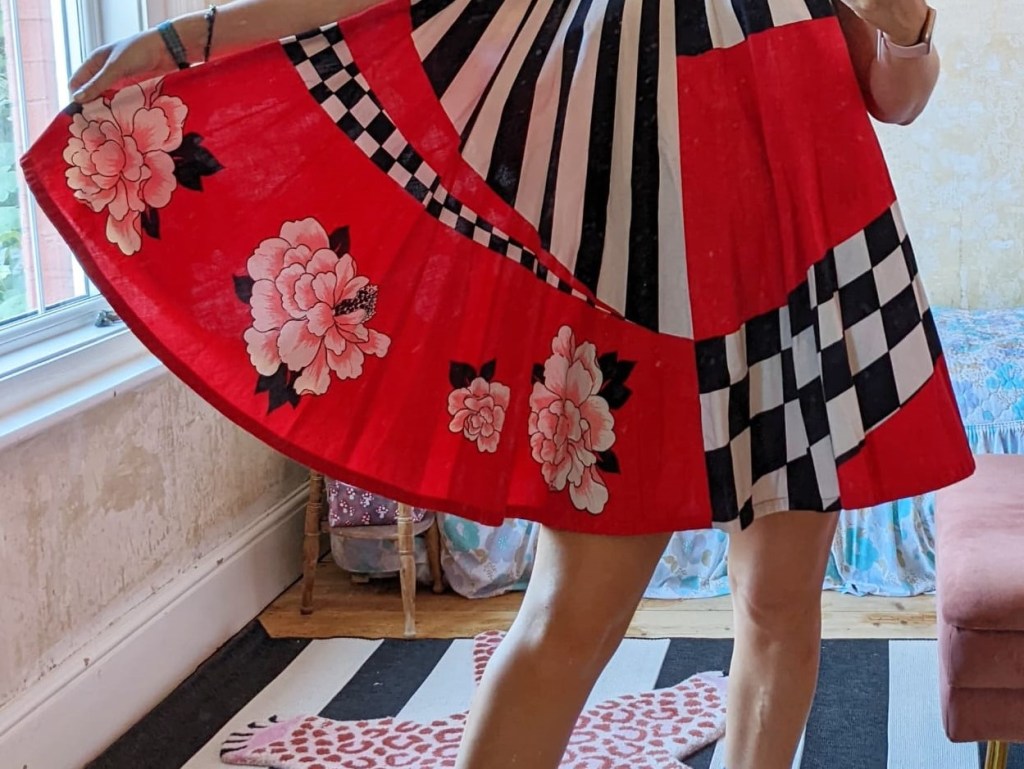
One of the things you’ll see vintage sellers saying is, ‘this garment has so much fabric in it’.
Huuuuge skirts made of more than a full circle to give amazing volume. Frills and flounces and fluff! Massive sleeves, super long coats.
Those things are now hard to find. Fabric is the most expensive part of the manufacture process, so chop it off at mid-thigh and laugh all the way to the bank.
As I mentioned, seam allowances used to give your body some grace. You could gain some pounds and let out your seams to keep wearing a garment for longer. You could hand clothes down to someone with a different body shape.
Seams now are as tiny as possible because every millimetre is accounted for in profit calculations. Fast fashion brands don’t want you passing on clothes or making them last, and certainly not at their expense.
When I’m taking in vintage clothes, I keep as much fabric in them as possible. I hope all my clothes will one day belong to someone else.
Pockets for women
Don’t even get me started. OK, you got me started. Women weren’t allowed pockets for a long period of our history because they were considered secretive and therefore unchaste.
This is why handbags exist for women and less so for men: while we all started out with a purse hanging from our belts, once we had the technology, men’s…erm…coinpurses were sewn into their trousers and pockets were born.
Women continued to be forced to carry a purse and various other ridiculous workarounds, like chatelaines – weird little chandeliers of dangling scissors, keys, mirror and so on attached to a belt.
We eventually got our pockets, and there were some glory days when women’s clothes had great big useful pockets in them. Basically after the first world war, when society realised it probably needed women to help with the physical jobs and wearing men’s clothes became normal. The practicality we won then continued while women were still at home, carrying pegs and hankies and babies and cigarettes etc.

Then, some time around the 90s, they all started disappearing again. I know because I own clothes from every decade of the 20th century. Pockets used to exist. Big pockets, useful pockets.
These days, women actually EXCLAIM about the presence of pockets in an item of clothing, because they’re so excited by their rare appearance.
Now, the re-extermination of women’s pockets was not a resurgence of piety about their secret business, but it was similarly based in sexism.
Pockets cost more. Extra design work, extra fabric, extra manufacture time, extra fuss. They were a genius place to save money. After all, they’re most often invisible so don’t affect the tasty look of a garment that much (every woman knows it’s the hidden pocket you love best) and women are known to be silly things who put looks over practicality anyway, right? So, they took our fucking pockets.
Metal zips
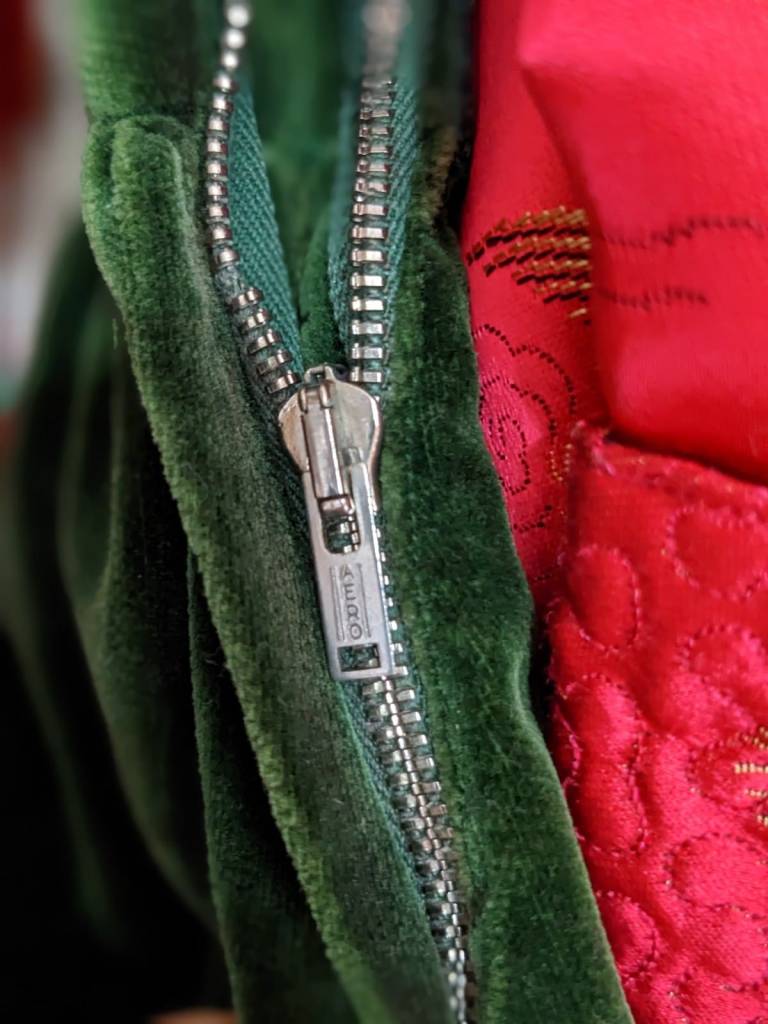
Plastic zips are cheap. Yeah, maybe they fail but the manufacturer doesn’t care about that. Meanwhile, I have clothes from the 40s and 50s with zips that still work perfectly.
Covered buttons
One of the things I notice most about vintage clothes is the huge variety of button styles and particularly covered buttons.
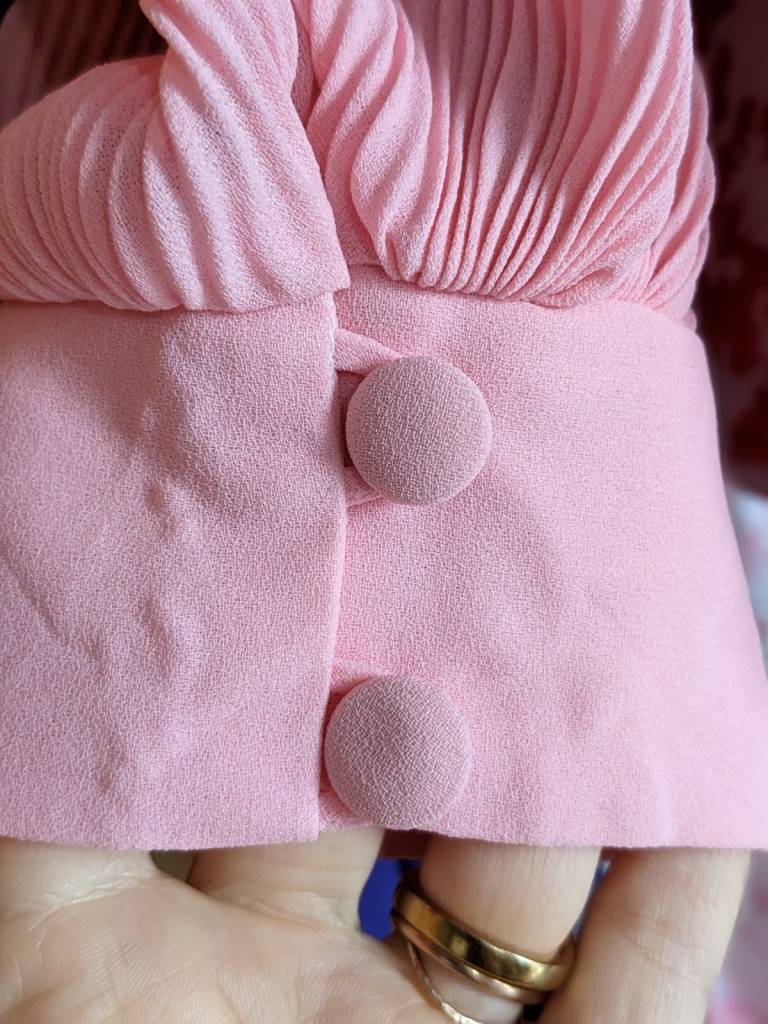
Buttons can be such a design feature, but these days you’ll see the exact same button on everything from a silk shirt to a PE top. It’s such a shame.
Linings
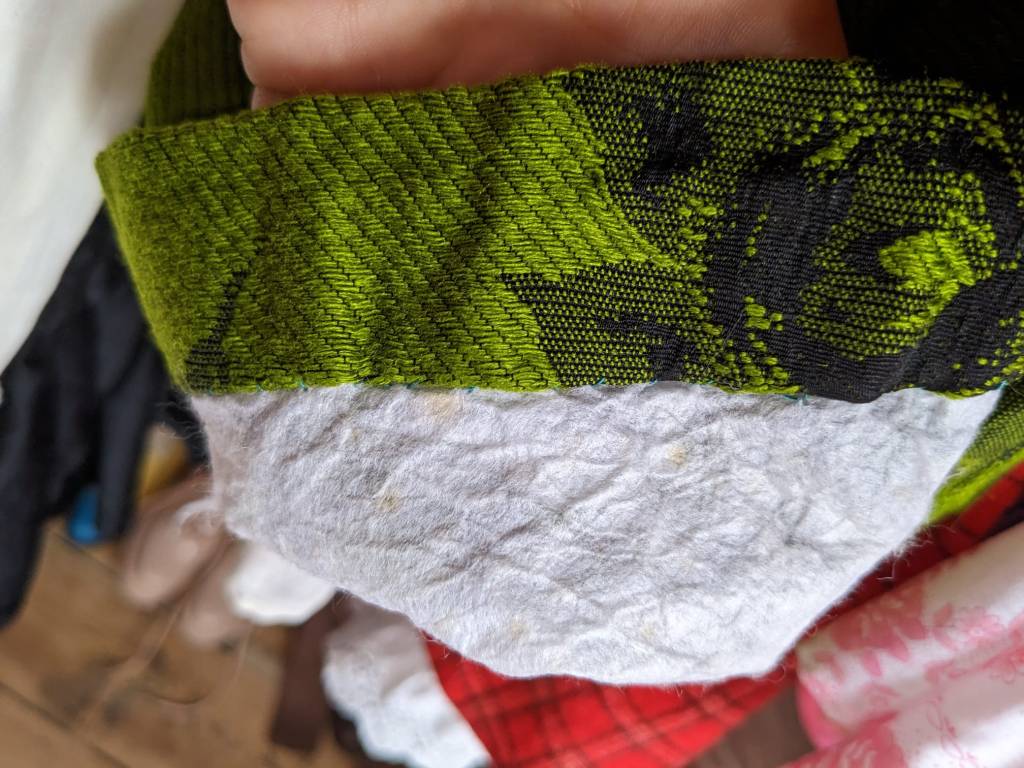
Every skirt, dress and jacket used to be lined; now you’re lucky if even formal wear is properly lined.
Why is lining important? It makes your clothes hang correctly. It protects your skin from itchy or stiff fabric. It protects your expensive outer fabric from YOU – your perfume, deodorant and sweat.
All these things are about making your clothes look and feel high quality for as long as possible. That’s a no thanks from capitalism.
Natural materials
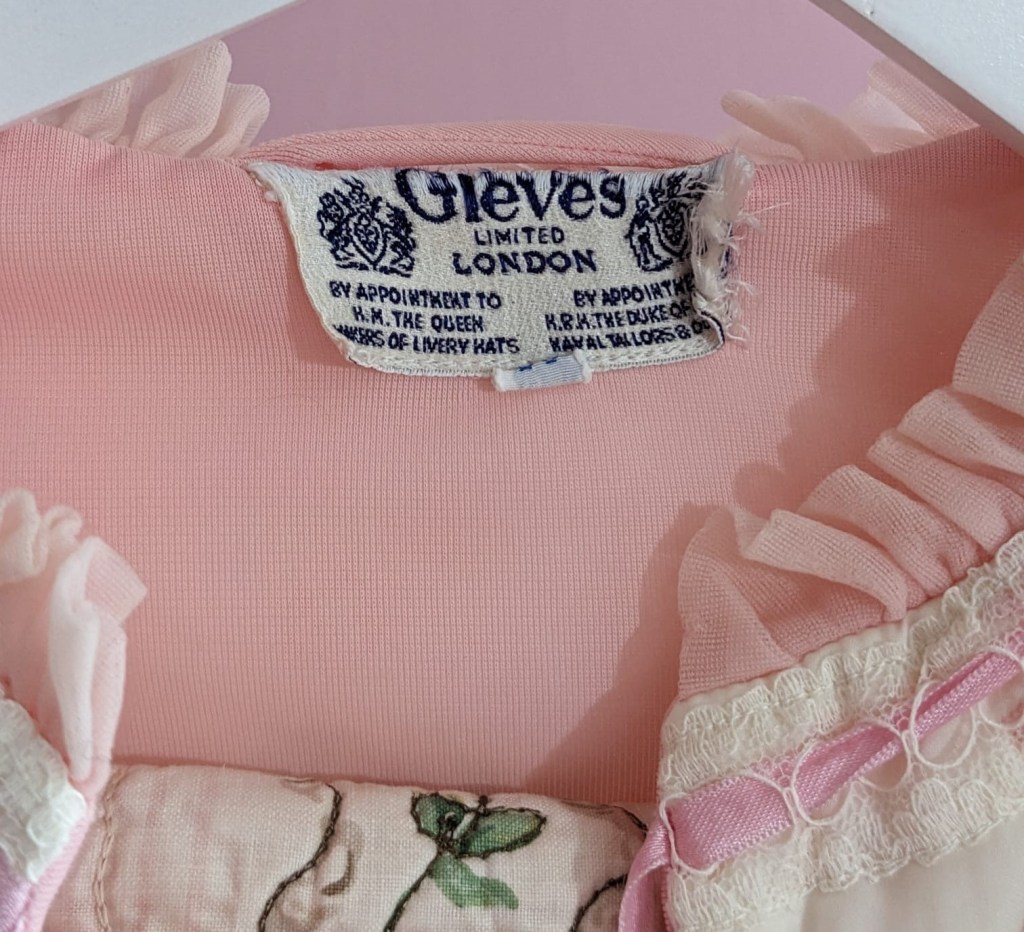
Polyester is cheap and destroying our planet and leeching microplastics and clinging unflatteringly and making us sweat and bobbling all over the place.
It’s not even the polyester of the 70s, I swear! I’ve got plenty of very, very shiny drip-dry clothes from the 60s and 70s that have stood the test of time. Now, you dare to walk your thick thighs around in a pair of new shorts ONE TIME and you’ve got a bobbly crotch.
It’s expensive to buy clothes made of natural fabrics now, and even those are harming the planet due to modern manufacture processes.
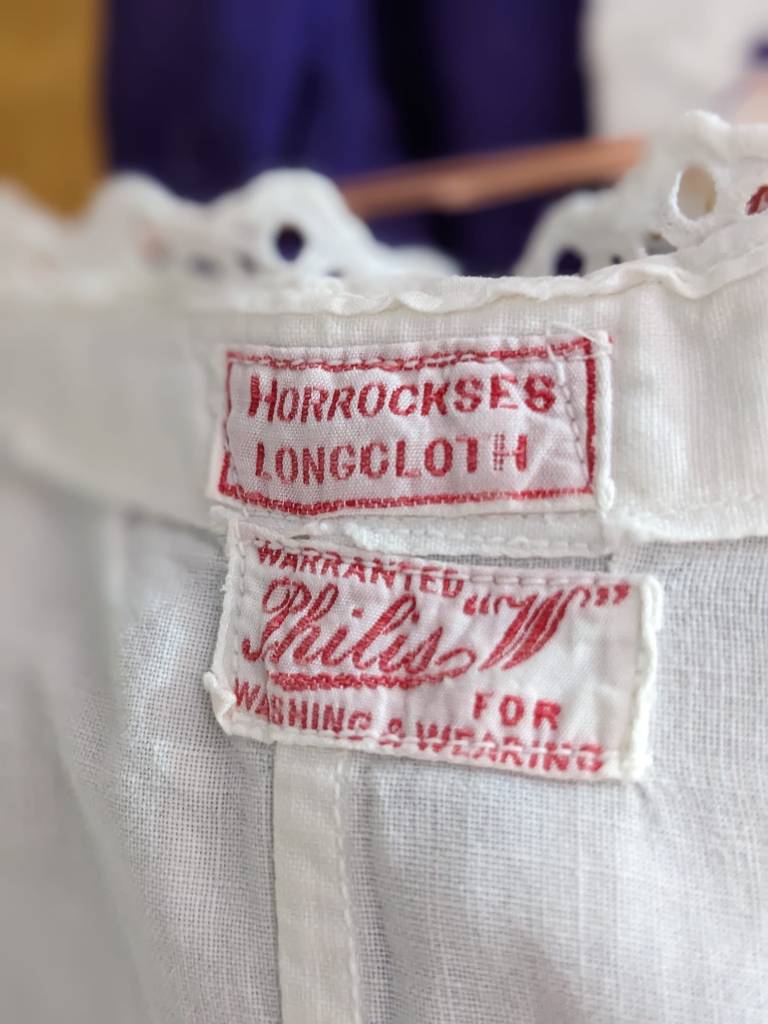
If you want to wear thick cotton, real velvet, silk and linen, buy vintage. It’s already here, so no manufacturing impact, and it’s the highest quality for the lowest price you can get. Even in couture, we won’t see quality like it produced again.
 Arch Creative
Am I right? Tell me!